
In today’s digital age, it’s no secret that children are exposed to screens and technology at a very young age. With the rise of e-books and tablets, it may seem like printed children’s books are becoming a thing of the past. However, there is still something magical about holding a physical book in your hands and turning its pages. In fact, research has shown that this physical interaction plays a crucial role in fostering a lifelong love for reading in children.
One of the main reasons why holding and turning pages enhances the reading experience is because it engages multiple senses. When a child holds a book, they are not only using their eyes to read the words, but they are also using their sense of touch to feel the texture of the pages and the weight of the book in their hands. This multisensory experience creates a deeper connection with the story and helps children to better understand and remember the content.
Furthermore, the act of turning pages also adds an element of anticipation and excitement to the reading experience. As a child turns each page, they are eager to find out what happens next in the story. This anticipation builds as they continue to turn pages, creating a sense of suspense and making the reading experience more engaging and enjoyable.
In addition, holding and turning pages allows for a more personalized reading experience. Children can choose to read at their own pace, flipping back and forth between pages if they need to. They can also use their fingers to point to specific words or pictures, helping them to better understand the story and develop their reading skills. This level of control and interaction is not possible with e-books, where the pages are static and the child’s actions are limited.
Moreover, printed children’s books offer a break from the constant stimulation of screens and technology. In today’s fast-paced world, children are bombarded with information and distractions from various devices. Holding a book and turning its pages allows for a slower, more focused reading experience. This not only helps children to concentrate and comprehend the story better, but it also promotes mindfulness and relaxation.
Another important aspect of holding and turning pages is the physical and emotional connection it creates between the child and the book. Children often develop a special bond with their favorite books, and this is partly due to the physical interaction they have with them. They may have a favorite page that they love to turn to, or they may have a specific way of holding the book that makes them feel comfortable and connected to the story. This emotional connection to books is crucial in developing a love for reading and can lead to a lifelong habit of reading for pleasure.
In conclusion, while technology has its benefits, there is still something magical about holding and turning pages in a printed children’s book. This physical interaction engages multiple senses, adds anticipation and excitement, allows for a personalized reading experience, offers a break from screens, and creates a physical and emotional connection between the child and the book. All of these factors contribute to fostering a lifelong love for reading in children. So, let’s not underestimate the power of turning pages and continue to encourage children to pick up a physical book and experience the magic of reading.
Nostalgia and Connection: How Printed Children’s Books Create Lasting Memories
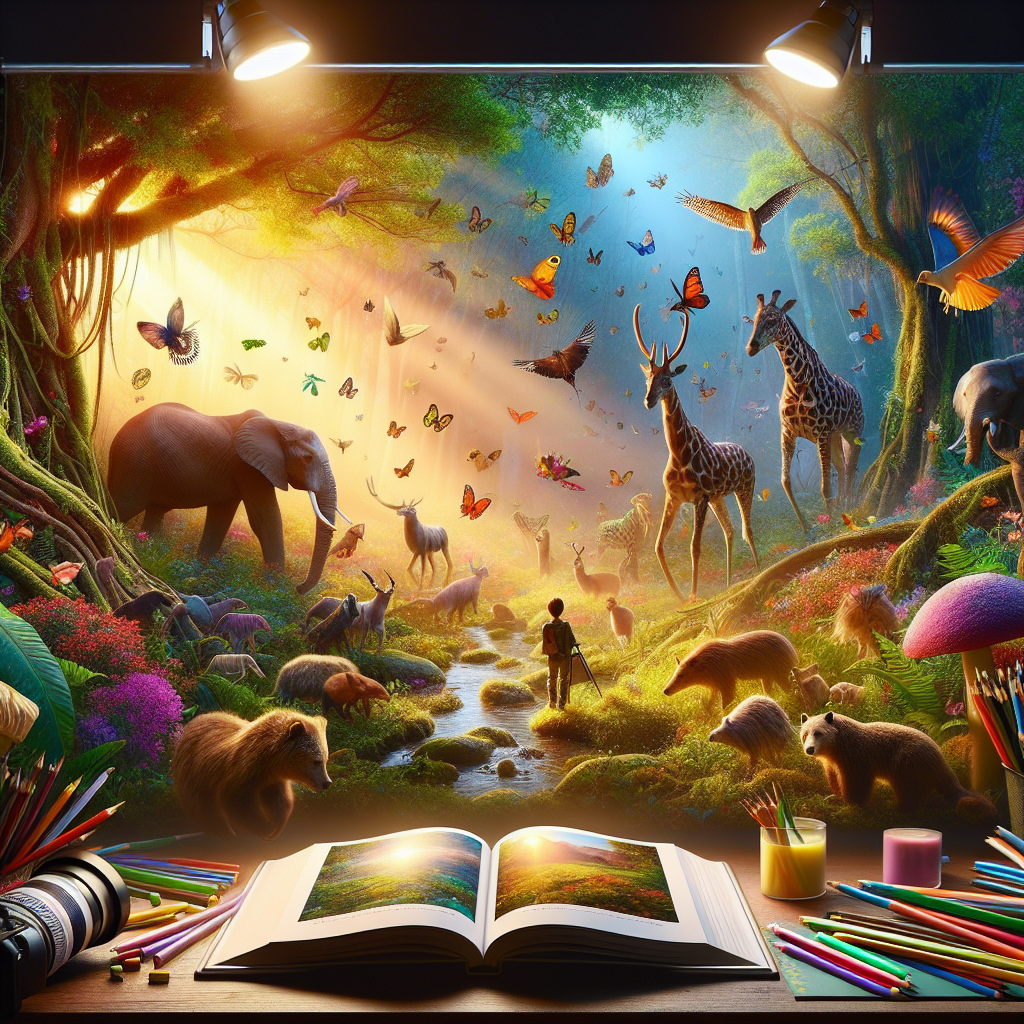
In today’s digital age, it’s easy to get lost in the world of screens and devices. Children are often glued to their tablets or smartphones, scrolling through endless apps and games. With the rise of e-books and audiobooks, it may seem like printed children’s books are becoming a thing of the past. However, there is something magical about turning the pages of a physical book that cannot be replicated by a screen. Printed children’s books not only provide a tangible reading experience, but they also create lasting memories and foster a lifelong love for reading.
One of the main reasons printed children’s books are so special is the nostalgia they evoke. Many adults can vividly remember their favorite childhood books and the joy they felt while reading them. These memories are often tied to a specific time or place, such as snuggled up in bed with a parent or grandparent, or sitting in a cozy corner of the library. These memories are not just about the story itself, but also the physical act of holding the book, turning the pages, and seeing the illustrations come to life.
Printed children’s books also have the power to create a strong emotional connection between the reader and the story. Unlike digital books, which can be easily swiped away, physical books require a more intentional and deliberate reading experience. This allows children to fully immerse themselves in the story and form a deeper connection with the characters and plot. As they turn the pages, they become more invested in the story and are more likely to remember it long after they have finished reading.
Moreover, printed children’s books offer a break from the constant stimulation of screens. In a world where children are bombarded with flashy advertisements and fast-paced media, the simplicity of a printed book can be a welcome change. The lack of distractions allows children to focus on the story and use their imagination to bring it to life. This not only enhances their reading experience but also helps develop their creativity and critical thinking skills.
Another important aspect of printed children’s books is the physical interaction they provide. Children are naturally curious and tactile learners, and the act of turning pages and feeling the texture of the paper can be a sensory experience for them. This physical interaction also helps with their fine motor skills and hand-eye coordination. Additionally, the act of physically holding a book and turning the pages can be calming and therapeutic, making it a great tool for children who may struggle with anxiety or attention disorders.
Printed children’s books also have the ability to bring families together. Reading a book aloud with a parent or caregiver not only creates a bonding experience but also helps children develop their language and communication skills. It also allows for meaningful discussions about the story and its themes, which can help children develop empathy and understanding of different perspectives.
In conclusion, while digital books may offer convenience and accessibility, printed children’s books hold a special place in our hearts and play a crucial role in fostering a love for reading. The nostalgia, emotional connection, and physical interaction they provide cannot be replicated by a screen. They create lasting memories and bring families together, making them an invaluable part of a child’s development. So the next time you see a child with their nose buried in a book, remember the magic of turning pages and the lifelong love for reading that it can inspire.
Imaginative Illustrations: How the Visuals in Printed Children’s Books Spark Creativity and Imagination
In today’s digital age, it’s easy to get lost in the world of screens and technology. Children are often glued to their tablets, phones, and TVs, leaving little time for traditional activities like reading. However, there is something magical about turning the pages of a printed children’s book that cannot be replicated by a digital device. Printed children’s books not only provide a break from screens, but they also foster a lifelong love for reading. One of the key elements that make printed children’s books so special is the imaginative illustrations that accompany the text.
From the colorful and whimsical drawings in picture books to the intricate and detailed illustrations in chapter books, the visuals in printed children’s books play a crucial role in sparking creativity and imagination in young readers. Unlike digital books, where the illustrations are often static and limited, printed children’s books offer a tangible and interactive experience for children. They can touch and feel the pages, flip through them, and even use their fingers to trace the illustrations, making the reading experience more engaging and immersive.
The power of illustrations in printed children’s books is evident from a young age. Babies and toddlers are drawn to books with bright and bold illustrations, and they often spend hours flipping through the pages and pointing at the pictures. As children grow older, the illustrations become more complex and detailed, allowing them to explore and discover new things with each read. This not only keeps them engaged but also encourages them to use their imagination to fill in the gaps between the words and the pictures.
Moreover, the illustrations in printed children’s books often convey emotions and actions that may be difficult for young readers to understand through words alone. For example, a picture of a sad character with tears in their eyes can help children understand the emotion of sadness better than just reading the word “sad.” This visual aid not only enhances their reading comprehension but also helps them develop empathy and emotional intelligence.
In addition to enhancing reading skills, the imaginative illustrations in printed children’s books also inspire creativity in young readers. Children are naturally curious and imaginative, and the illustrations in books provide them with a visual representation of the stories they are reading. This allows them to visualize the characters, settings, and events in their minds, which can lead to a deeper understanding and connection with the story. It also encourages them to think outside the box and come up with their own interpretations and ideas.
Furthermore, the illustrations in printed children’s books can also serve as a source of inspiration for young artists. Many children are inspired to draw, paint, or create their own stories after seeing the beautiful and imaginative illustrations in their favorite books. This not only nurtures their creativity but also helps them develop fine motor skills and hand-eye coordination.
In conclusion, the imaginative illustrations in printed children’s books are a crucial element in fostering a lifelong love for reading. They provide a tangible and interactive experience, enhance reading skills, inspire creativity, and serve as a source of inspiration for young readers. So the next time you pick up a printed children’s book, take a moment to appreciate the magic of turning the pages and the imaginative illustrations that bring the story to life.
Building a Foundation for Literacy: How Printed Children’s Books Lay the Groundwork for a Lifelong Love for Reading
In today’s digital age, it’s easy to get lost in the world of screens and technology. Children are often exposed to tablets, smartphones, and other electronic devices from a young age, making it seem like printed books are becoming a thing of the past. However, there is still something magical about turning the pages of a physical book, especially for children. Printed children’s books not only provide entertainment and education, but they also lay the groundwork for a lifelong love for reading.
One of the main benefits of printed children’s books is the tactile experience they provide. The act of holding a book, turning the pages, and feeling the weight of it in their hands can be a sensory experience for children. This physical interaction with the book can help engage their senses and make the reading experience more enjoyable. It also allows children to develop their fine motor skills as they learn to turn the pages and hold the book steady.
Printed children’s books also offer a visual experience that cannot be replicated by digital devices. The colorful illustrations and vibrant images in children’s books can capture a child’s attention and imagination. They can also help children develop their visual literacy skills, as they learn to interpret and understand the images in relation to the text. This can be especially beneficial for young children who are still learning to read, as the pictures can help them make connections and understand the story.
In addition to the tactile and visual experiences, printed children’s books also provide a sense of ownership and responsibility for children. When a child has their own book, they feel a sense of pride and ownership over it. This can motivate them to take care of the book and treat it with respect. It also teaches them responsibility, as they learn to keep track of their books and return them to their designated place after reading.
Printed children’s books also offer a break from screens and technology. In a world where children are constantly bombarded with screens and digital devices, it’s important to provide them with a balance. Printed books offer a screen-free option for children to engage with literature and storytelling. This can be especially beneficial for children who may already spend a lot of time on screens, as it allows them to disconnect and focus on the book in front of them.
Furthermore, printed children’s books can foster a sense of connection and bonding between children and their caregivers. Reading a book together can be a shared experience that strengthens the bond between a child and their parent or caregiver. It also provides an opportunity for children to ask questions, learn new words, and engage in meaningful conversations with their caregivers.
Printed children’s books also offer a wide range of genres and topics for children to explore. From classic fairy tales to educational books on science and history, there is a book for every child’s interests and curiosities. This variety allows children to discover new topics and expand their knowledge and understanding of the world around them.
In conclusion, printed children’s books play a crucial role in building a foundation for literacy and fostering a lifelong love for reading. The tactile and visual experiences, sense of ownership and responsibility, break from screens, bonding opportunities, and wide range of genres and topics all contribute to the magic of turning pages and the joy of reading. As technology continues to advance, it’s important to remember the value and importance of printed children’s books in a child’s development and love for reading.
Experience the magic of turning pages with your child and foster a lifelong love for reading! Explore our selection of printed children’s books at bookstores.app and start creating cherished memories through the power of storytelling. Let’s ignite a passion for reading in the next generation together.