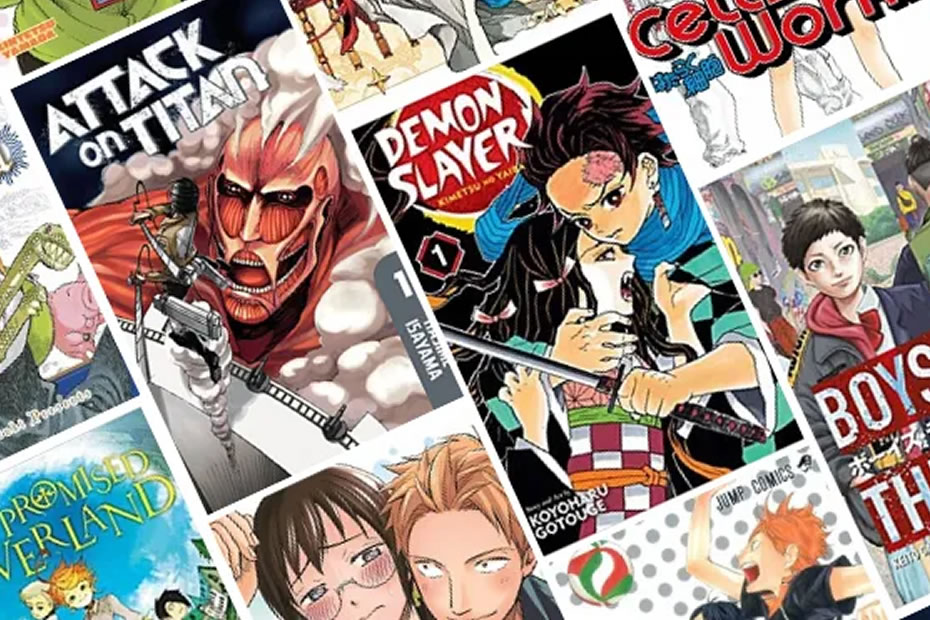
Manga, a term often used outside of Japan to describe Japanese comic books and graphic novels, has become a significant part of global pop culture. This introduction will explore the world of manga and its influence both within Japan and worldwide.
What is Manga?
Manga, in its simplest form, is a style of comic books and graphic novels originating from Japan. These works cover a wide range of genres, from action and adventure to romance, science fiction, and fantasy. The art style of manga is distinctive, often featuring characters with large, expressive eyes and exaggerated physical features. The term “manga” itself translates to “whimsical pictures”, reflecting the playful and imaginative nature of these works. Some popular manga series have even been adapted into animated series, known as anime, further broadening their global reach and appeal.
Manga’s Influence in Japan and Worldwide
In Japan, manga is more than just a form of entertainment — it’s a significant aspect of the culture. Manga is read by individuals of all ages, with certain genres targeting different demographics. For instance, “shonen” manga is typically aimed at young boys, while “shojo” manga is targeted towards young girls. However, these are not strict categories, and many manga series appeal to a broad range of readers.
Manga’s influence extends far beyond the borders of Japan. Over the past few decades, manga has gained immense popularity worldwide, with millions of copies of various manga series being translated into multiple languages and sold globally. The global fascination with manga can be partly attributed to the complex storytelling and unique art style that sets it apart from Western comic books.
Moreover, manga has had a significant impact on global pop culture. From influencing fashion trends to inspiring Hollywood movies, manga’s reach is undeniable. Some of the world’s most beloved manga series have even been adapted into successful anime series, video games, and live-action films, further cementing manga’s place in global pop culture.
For those who are new to manga, diving into this world might seem intimidating due to the sheer volume and diversity of series available. However, with a bit of research and exploration, finding a manga series that suits your tastes can be an exciting journey. Check out our articles on new manga releases or classic manga books to get started on your manga reading adventure.
Understanding the Diversity of Manga Genres
Manga is a broad term encompassing a universe of stories and characters, with a variety of genres catering to different demographics. Understanding these genres provides a deeper insight into the world of manga and helps to identify personal preferences for a more enjoyable reading experience.
Shonen Manga
Shonen manga, primarily targeted at young boys between the ages of 12 and 18, is one of the most popular manga genres. These stories often revolve around action, adventure, and friendship, featuring a young male protagonist who embarks on a journey or accepts a challenge. The journey often includes battles, competition, and personal growth. Some of the most popular manga series fall under this genre.
Shojo Manga
On the other hand, Shojo manga is designed to appeal to young girls of similar ages, focusing on relationships, love, and personal growth. The visual style of Shojo manga is often more delicate and detailed, with a greater emphasis on emotional content and character relationships. The protagonists are typically female, and the narrative often revolves around their experiences with friends, family, and romantic interests. There are numerous popular manga series in the Shojo genre.
Seinen Manga
Seinen manga targets an older demographic of men aged 18 and above. The narratives in this genre are more complex, often dealing with real-world issues, psychological themes, and adult relationships. The artwork can range from the simplistic to the highly detailed, depending on the story. Seinen manga often includes more explicit content, both violent and sexual, compared to Shonen manga. Many classic manga books are of the Seinen genre.
Josei Manga
In contrast, Josei manga is aimed at adult women, featuring realistic romantic relationships and slice-of-life narratives. Unlike Shojo manga, which often features idealised romance, Josei manga delves into the complexities and challenges of adult relationships. The visual style of Josei manga is often more mature and less embellished than its Shojo counterpart.
Each manga genre offers a unique reading experience, catering to different age groups and interests. By understanding these genres, manga lovers can choose the most suitable manga series and fully immerse themselves in the fascinating world of manga. For those looking for new reading material, check out our list of new manga releases.
Exploring Popular Manga Series
Manga is a diverse, colourful world of storytelling that has captured the hearts of millions worldwide. Within this vast landscape, there are certain series that have gained iconic status in their respective genres. Let’s delve into the realms of shonen, shojo, seinen and josei to uncover some of the most popular manga series.
Iconic Manga Series in Shonen
Shonen manga, typically targeting young boys, is often characterised by high-energy action, adventure and camaraderie. Some of the most iconic series in this genre have become household names globally, shaping the world’s perception of manga.
| Manga Series | Brief Description |
|---|---|
| Naruto | A tale of a young ninja striving to earn recognition and become the leader of his village. |
| One Piece | A high-sea adventure following a group of pirates in their quest for the ultimate treasure. |
| Dragon Ball | A martial arts saga that chronicles the life of Goku, a fighter with extraordinary powers. |
For those seeking the latest in shonen, our new manga releases page is a must-visit.
Beloved Manga Series in Shojo
Shojo manga, primarily aimed at young girls, often revolves around personal and romantic relationships. Many shojo manga series have resonated with readers due to their heartfelt storytelling and relatable characters.
| Manga Series | Brief Description |
|---|---|
| Sailor Moon | A story of a schoolgirl who transforms into a superheroine, leading a team against villains. |
| Fruits Basket | A touching tale of a girl who discovers a family cursed to transform into zodiac animals. |
| Cardcaptor Sakura | A magical journey of a girl tasked with capturing escaped tarot cards and preventing disaster. |
Explore the best manga books for a curated selection of standout shojo series.
Renowned Manga Series in Seinen
Seinen manga, catered for adult men, often ventures into complex themes and mature content. These series often delve deeper into philosophical ideas, political intrigue and psychological drama.
| Manga Series | Brief Description |
|---|---|
| Ghost in the Shell | A futuristic cyberpunk narrative exploring the blurred line between humans and artificial intelligence. |
| Berserk | An intense, dark fantasy epic centring on a mercenary’s quest for vengeance. |
| Monster | A psychological thriller following a doctor’s pursuit of a killer he once saved. |
For those seeking thought-provoking narratives, our collection of classic manga books offers a handpicked selection of seinen series.
Acclaimed Manga Series in Josei
Josei manga, intended for adult women, often provides a realistic portrayal of life and relationships. These manga series explore a diverse range of themes from career struggles to the complexities of love.
| Manga Series | Brief Description |
|---|---|
| Nodame Cantabile | A romantic comedy set in a music academy, following two students with contrasting personalities. |
| Honey and Clover | A slice-of-life narrative exploring the journey of art students as they navigate love and life. |
| Paradise Kiss | A story of a high school student’s foray into the world of fashion and her self-discovery. |
For more mature, reflective narratives, our best manga books collection offers a range of acclaimed josei series.
These series represent just a fraction of the captivating world of manga. Each genre offers a unique perspective and narrative style, catering to a wide range of tastes and preferences. Whether you’re a seasoned manga reader or a newcomer, there’s always a new world to explore in the pages of a manga book.
The Art of Reading Manga
Reading manga is a unique experience that differs vastly from reading traditional western comics or graphic novels. The distinct style and cultural nuances of manga often require readers to adapt to a different reading style.
Reading Right to Left: Adapting to Manga’s Unique Style
One of the most distinguishing features of a manga book is its unconventional reading direction. Unlike other books which are read from left to right, manga is read in the opposite direction, from right to left. This style is a reflection of the traditional Japanese writing system.
When beginning a new manga, readers start from what would be considered the ‘end’ of a conventional book. The panels on a page, as well as the speech bubbles within a panel, are also read from right to left. For first-time readers, this can be disorienting. However, with a little practice, it becomes a seamless part of the manga reading experience.
For those new to manga, starting with some manga books for kids can be a good way to get accustomed to the reading style. As you gain confidence, you can delve into more complex and popular manga series.
Decoding Manga Symbols and Visual Language
Manga is rich in visual language and symbolism. The illustrations are not just a visual treat but also carry significant meaning and contribute to the narrative. Manga artists use a variety of symbols and visual cues, including exaggerated facial expressions, symbolic backgrounds, and special effects, to convey emotions, thoughts, and actions.
For instance, a character with a cross shape on their forehead is usually depicted as angry or annoyed, while swirling lines around a character’s head can indicate confusion or dizziness. Understanding these symbols enhances the manga reading experience and allows readers to appreciate the depth and complexity of the story.
Moreover, manga also uses a wide variety of onomatopoeic words to represent sounds. These sound effects are often written in the background of a panel and can indicate anything from the sound of a door closing to the rustling of leaves.
Decoding the symbols and visual language of manga may seem challenging at first, but as readers immerse themselves in different classic manga books and new manga releases, they naturally start to understand and appreciate these unique aspects.
Reading manga is not just about following a story, it’s about experiencing a different culture and visual language. Whether you are a first-time reader or a seasoned manga lover, each manga offers a unique journey that broadens the reader’s perspective and enhances their appreciation for this art form.
The Cultural Impact of Manga
The cultural significance of manga extends far beyond the confines of comic book panels. Its influence can be seen in various aspects of society, from animation to global pop culture and even fine arts.
Manga’s Influence on Animation (Anime)
One of the most prominent areas where manga’s impact is evident is in animation, particularly anime. Countless popular manga series have been adapted into anime, allowing the stories and characters to come to life on screen. This transition from print to animation has not only boosted the popularity of manga but also contributed significantly to the global recognition of anime.
Many of the best manga books have been transformed into successful anime series, expanding their reach to a wider audience and solidifying the interconnected relationship between these two forms of media. The complex storytelling, dynamic character development, and unique artistic style found in manga are often preserved and enhanced in their anime adaptations, offering viewers a more immersive experience.
Manga’s Role in Global Pop Culture
The influence of manga is not limited to Japan but has permeated global pop culture. Manga series have been translated into numerous languages, allowing readers worldwide to engage with the captivating narratives and intricate artwork. The global success of certain popular manga series has led to the creation of merchandise, video games, and even live-action adaptations, further cementing manga’s role in popular culture.
Moreover, manga has contributed to the growing interest in Japanese culture around the world. Many readers are drawn to manga due to its ability to provide insights into various aspects of Japanese society, customs, and values, fostering a deeper understanding and appreciation of the culture.
Manga and the Art World
In the realm of fine art, manga has made a significant impression. The unique visual language of manga, characterized by its stylized characters and dynamic panel compositions, has been recognized and celebrated in the art world. Manga exhibitions have been held in prestigious museums and galleries, acknowledging the artistic value and cultural significance of this medium.
Artists worldwide have been inspired by manga’s distinctive aesthetic, incorporating elements of its style into their own works. Whether in street art, graphic design, or contemporary painting, the influence of manga is undeniable. Therefore, while manga is often associated with entertainment, it also holds a profound impact on the global art scene.
In conclusion, the cultural impact of manga is far-reaching, influencing various areas of society and culture. Whether you’re a fan of new manga releases or manga books for kids, it’s clear that this beloved medium is much more than just a form of entertainment. Manga has left an indelible mark on the world, shaping pop culture, inspiring artists, and bringing joy to readers worldwide.